

Legionella Risk Assessments for Care Homes
Professional Legionella Risk Assessments for Care Homes
Care homes have a responsibility to protect residents, staff, visitors and contractors from foreseeable health and safety risks, including exposure to Legionella bacteria. At Greener Homes Consultancy, we provide professional Legionella risk assessments for care homes, helping care providers identify potential risks within hot and cold water systems and establish appropriate measures to control those risks.
Legionella bacteria can grow in water systems where conditions allow, particularly where water becomes stagnant, temperatures are favourable for bacterial growth, or systems contain areas such as dead legs, redundant pipework, storage tanks, showers and other outlets. Care homes require particular attention because many residents may be more vulnerable to serious illness associated with Legionella exposure.
Our care home Legionella risk assessments are designed to provide a practical assessment of the property, its water systems and existing management arrangements. We identify potential hazards, document our findings and provide recommendations for appropriate control measures.
The Health and Safety Executive (HSE) states that duty holders should assess the risk of exposure to Legionella and take suitable measures to prevent or control that risk. HSE guidance also emphasises the importance of competent assistance where required.
Why Do Care Homes Need a Legionella Risk Assessment?
A Legionella risk assessment is an important part of managing water hygiene within a care home.
Care homes can contain complex water systems, including hot water cylinders, boilers, storage tanks, showers, baths, sinks, thermostatic mixing valves, specialist bathing equipment and other water outlets. In larger properties, there may also be multiple floors, wings or buildings supplied by interconnected water systems.
The risk can increase where water is stored, used intermittently or allowed to remain stagnant. HSE guidance highlights the importance of considering parts of a water system that are used intermittently, as well as dead legs and other areas where microbial growth may develop. HSE
A suitable assessment can help a care home understand:
- Where Legionella risks may exist within the water system.
- Which residents, employees or other people could potentially be exposed.
- Whether existing control measures are suitable.
- Whether water temperatures are being appropriately managed.
- Whether outlets or sections of pipework are infrequently used.
- Whether redundant or unused pipework may contribute to risk.
- Whether monitoring and maintenance arrangements are appropriate.
- What additional actions may be required to manage identified risks.
The purpose of an assessment is not simply to produce paperwork. It is to understand the actual water system and provide practical information that can be used as part of the care home’s ongoing Legionella management arrangements.
Legionella Risk Assessment for Care Homes and Vulnerable Residents
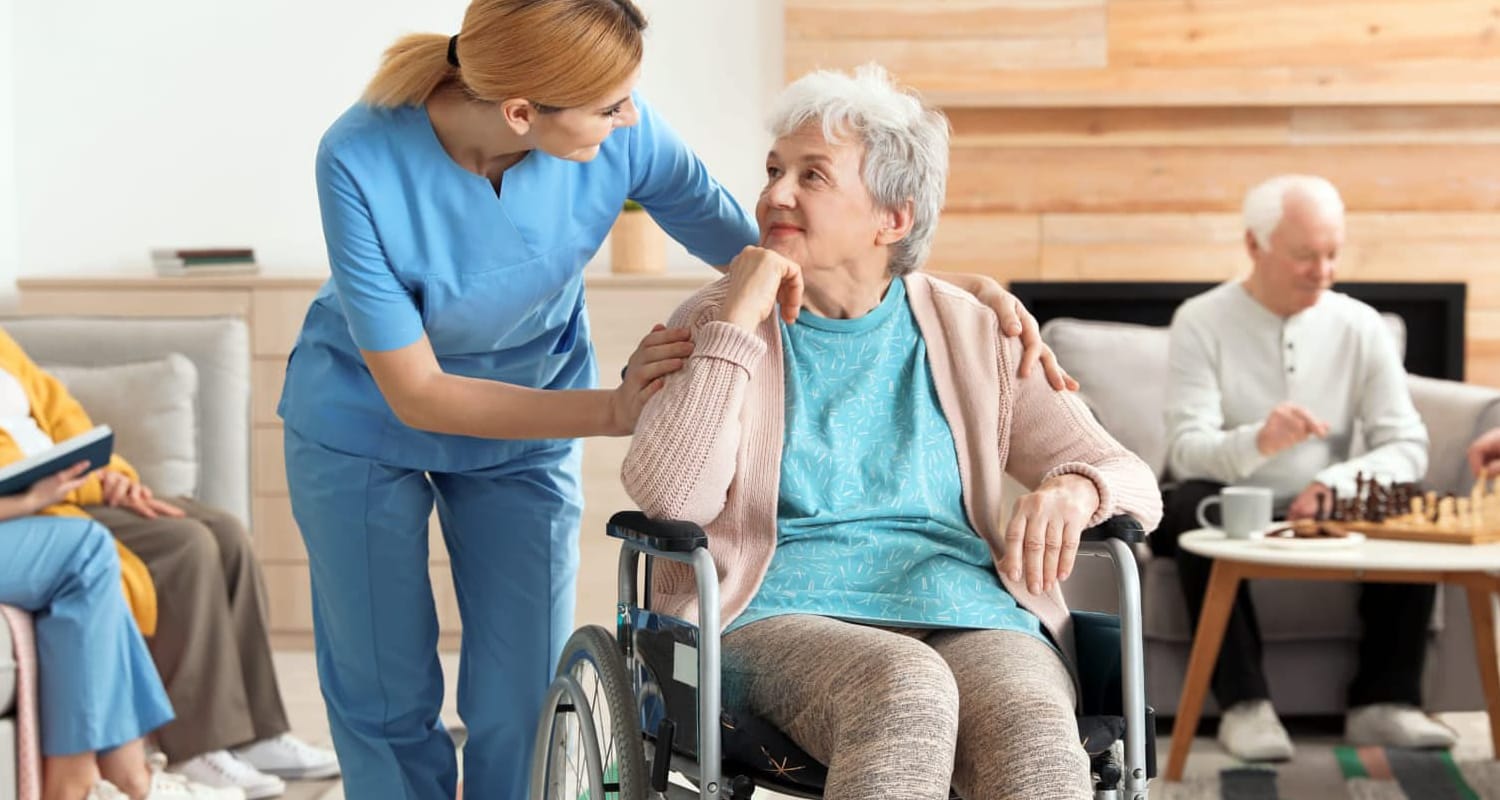
Residents in care homes can include older people and individuals with underlying health conditions or other factors that may increase their vulnerability to infection. This makes effective management of water hygiene particularly important.
Legionnaires’ disease is a type of pneumonia caused by Legionella bacteria. People can become infected when contaminated water droplets or aerosols are inhaled. Showers and other outlets capable of producing aerosols can therefore require particular consideration during a Legionella risk assessment.
At Greener Homes Consultancy, we consider the characteristics and use of each care home rather than relying on a generic assessment. The assessment should reflect the property’s water systems, occupancy, usage patterns and existing management procedures.
What Does a Care Home Legionella Risk Assessment Include?
A professional Legionella risk assessment should consider the water system as a whole. HSE guidance recommends that assessments take account of the individual nature of the site and system, and that complex systems may require a site survey and asset register covering relevant plant and components. HSE
Depending on the property, our assessment may consider areas such as:
Hot and Cold Water Systems
We assess relevant hot and cold water services and identify conditions that could contribute to Legionella growth or exposure.
This can include examining water storage, distribution arrangements, outlets and associated components.
Water Storage and Heating
Storage tanks, cylinders and other hot water equipment can form an important part of the assessment. We consider the configuration and operation of relevant equipment and identify potential concerns that may require further attention.
Temperature Management
Water temperature is an important part of Legionella control. The assessment considers relevant temperature control arrangements and whether there are potential areas where temperatures may support bacterial growth.
Showers and Aerosol-Producing Outlets
Showers and other outlets can produce aerosols, making them important when assessing potential exposure routes. We consider the number, location and usage of relevant outlets and identify appropriate control considerations.
Dead Legs and Redundant Pipework
Unused sections of pipework can allow water to stagnate. HSE guidance specifically highlights dead legs and intermittently used sections of systems as areas that should be considered because microbial growth can go unnoticed. HSE
Low-Use Areas
Care homes may have bedrooms, bathrooms, treatment areas or other facilities that are not used consistently. Changes in occupancy can affect water usage and may create periods of stagnation.
We consider these usage patterns as part of the assessment.
Existing Management Procedures
A Legionella risk assessment should consider not only the physical water system but also the management arrangements surrounding it.
We can review relevant records and procedures where appropriate, helping identify gaps in monitoring, maintenance, flushing, temperature checks or other control arrangements.
Legionella Risk Assessment Reports for Care Homes
Following an assessment, the findings should be documented clearly so that the care home can understand the risks and any recommended actions.
Greener Homes Consultancy provides practical reporting designed to help care home operators understand the condition and risks associated with their water systems.
Where potential issues are identified, recommendations can be provided to help the responsible person determine what action may be appropriate.
The HSE explains that risk assessments should enable dutyholders to identify foreseeable risks and determine the measures necessary to prevent or adequately control exposure to Legionella. HSE
A clear report can also provide useful supporting documentation for a care home’s health and safety management system.
Who Is Responsible for Legionella Management?
Responsibility for Legionella risk management ultimately sits with the relevant dutyholder. Depending on the organisation and property arrangements, this may involve the care home operator, employer, landlord, facilities manager or another person with control of the premises or water systems.
HSE guidance refers to the appointment of a competent person, commonly known as the responsible person, to help manage Legionella risks where appropriate. HSE+1
Care homes should ensure that people undertaking Legionella-related duties have the appropriate competence, knowledge and experience for the responsibilities assigned to them.
Where specialist knowledge is required, an independent consultancy can provide additional support through site assessment and reporting.
When Should a Legionella Risk Assessment Be Reviewed?
A Legionella risk assessment should not simply be completed once and then forgotten.
Water systems and care home environments can change. New bathrooms may be installed, pipework may be altered, buildings may be extended, rooms may change use, occupancy patterns can change and equipment may be replaced.
The HSE states that risk assessments should be reviewed regularly and specifically when there is reason to believe that the original assessment may no longer be valid. HSE
A review may therefore be appropriate following:
- Changes to the water system.
- Building alterations or refurbishment.
- Installation of new showers or water outlets.
- Changes in occupancy or use.
- Significant periods of building closure or reduced occupancy.
- Changes to hot water plant or storage.
- Identification of new risks.
- Changes in management or maintenance arrangements.
- Evidence that existing control measures may no longer be effective.
Legionella Risk Assessments Across the UK
Greener Homes Consultancy provides Legionella risk assessment services across a wide range of locations in England.
We cover care homes and related residential care facilities in:
- Barnet
- Basingstoke
- Bath
- Bishop’s Stortford
- Bracknell
- Bristol
- Cambridge
- Chelmsford
- Durham
- East Finchley
- Enfield
- Finchley
- Hackney
- Hampstead
- Harlow
- Hertford
- Highgate
- London
- Newbury
- Newcastle
- South Shields
- Sunderland
- Swindon
- Watford
- Windsor
- Wokingham
- Wood Green
If your care home is located in one of these areas, Greener Homes Consultancy can help you understand the Legionella risks associated with your property’s water systems.
We can also discuss requirements for properties outside these locations, subject to availability.
Legionella Risk Assessments in London and the South East
Care homes throughout London and the surrounding areas can have a wide variety of building types and water system configurations.
Greener Homes Consultancy provides Legionella risk assessment services in Barnet, East Finchley, Enfield, Finchley, Hackney, Hampstead, Highgate, Harlow, Hertford, Watford, Windsor, Wokingham and Wood Green, as well as across London.
Whether you manage an established care home, residential care facility or another type of supported accommodation, a site-specific assessment can help identify potential risks and provide a structured basis for ongoing control.
Legionella Risk Assessments in Bristol, Bath and the South West
We also provide services in Bristol, Bath and Swindon, helping care providers assess their hot and cold water systems and review their Legionella management arrangements.
Every property is different. Older buildings can contain modified or extended plumbing systems, while newer facilities may have more complex installations incorporating multiple water services and specialist equipment.
A site-based assessment helps ensure that the property’s actual configuration is considered.
Legionella Risk Assessments in Cambridge, Basingstoke, Reading and Surrounding Areas
Greener Homes Consultancy covers care homes in Cambridge, Basingstoke, Reading, Newbury and Bracknell, providing professional Legionella risk assessment services for care providers and property managers.
We understand that care home operators need practical information that can be incorporated into their existing health and safety and facilities management processes.
Our approach focuses on identifying relevant risks and providing clear recommendations rather than unnecessary complexity.
Legionella Risk Assessments in the North East
We also cover Durham, Newcastle, South Shields and Sunderland.
For care homes in these areas, we can assess relevant water systems and provide documentation to support ongoing Legionella management.
The same principles apply regardless of location: the assessment should reflect the individual property, its water systems, how those systems are used and the people who may be exposed.
Why Choose Greener Homes Consultancy?
Choosing the right company to undertake a Legionella risk assessment is important because the assessment needs to provide useful information rather than simply a generic checklist.
At Greener Homes Consultancy, we focus on practical, property-specific assessments designed to help care home operators understand their water system and identify areas requiring attention.
Our approach includes:
- Site-focused assessment.
- Consideration of hot and cold water systems.
- Identification of potential Legionella risk factors.
- Consideration of vulnerable occupants and exposure routes.
- Review of relevant water outlets and equipment.
- Identification of potential stagnation risks.
- Clear reporting.
- Practical recommendations.
- Coverage across multiple locations.
We aim to make the process straightforward for care home managers, responsible persons, landlords and facilities teams.
Protect Your Care Home Through Effective Legionella Risk Management
Managing Legionella risk is an ongoing responsibility. A suitable risk assessment provides an important foundation for understanding the risks associated with a care home’s water systems and determining what control measures may be necessary.
HSE guidance makes clear that the appropriate approach should be proportionate to the risks identified and that control measures should be monitored to ensure they remain effective. HSE
For care homes, effective water hygiene management can form an important part of wider health and safety arrangements.
If you need a Legionella risk assessment for a care home, Greener Homes Consultancy can provide professional assistance across Barnet, Basingstoke, Bath, Bishop’s Stortford, Bracknell, Bristol, Cambridge, Chelmsford, Durham, East Finchley, Enfield, Finchley, Hackney, Hampstead, Harlow, Hertford, Highgate, London, Newbury, Newcastle, Reading, South Shields, Sunderland, Swindon, Watford, Windsor, Wokingham and Wood Green.
Contact Greener Homes Consultancy to discuss your care home’s requirements and arrange a professional Legionella risk assessment.
Give us a call on: 0118 960 7070 for us to give you a quote.